

Planning to move abroad?
We will arrange a comfortable and safe move for you to a new place with transportation of all your personal belongings

Wooden Crates for International Moving
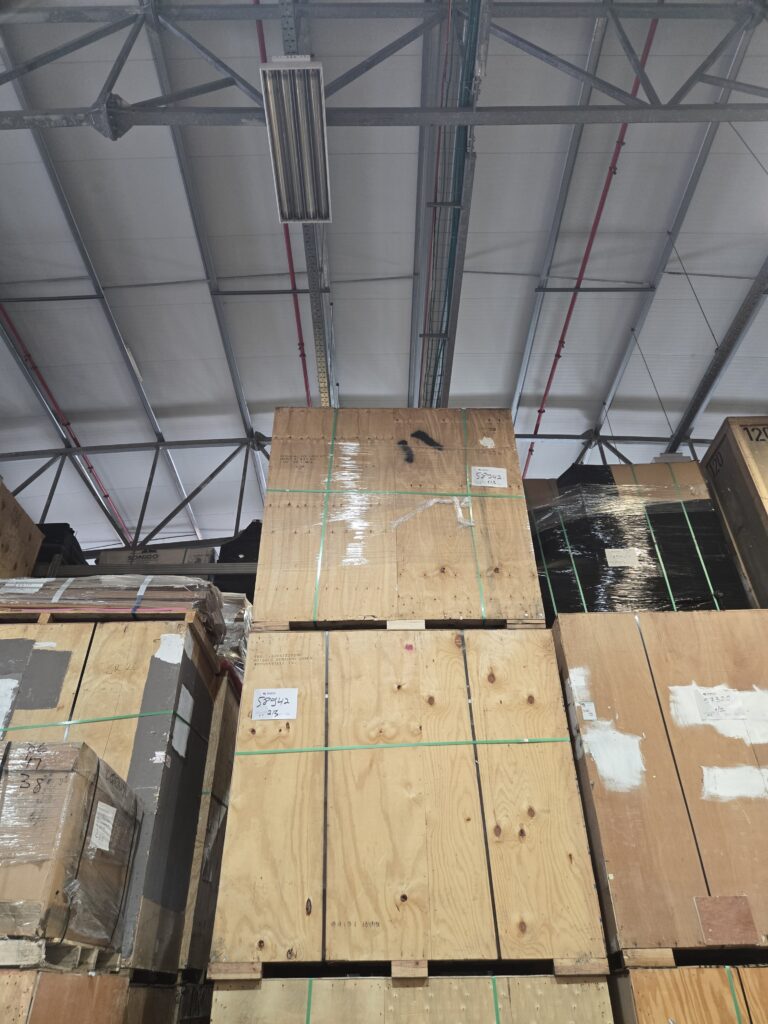
Wooden crates are rigid protective shipping containers used to secure fragile, valuable, irregular, or high-risk items during transport, especially for long-distance and international moves. In international trade, wood packaging material made from raw wood is subject to phytosanitary requirements under ISPM 15, the international standard created to reduce the spread of quarantine pests through wood packaging. The IPPC’s guidance and standard make this a major compliance issue, not just a packaging preference.
What a wooden crate is in a moving context
In removals, a crate is not just a box. It is a purpose-built protective structure designed around the item being moved. Crates are commonly used for artwork, mirrors, marble tops, fragile furniture parts, chandeliers, electronics, sculptures, antiques, and certain musical instruments. The purpose is to reduce movement, absorb handling stress, and provide a stronger outer shell than standard cartons can offer.
Crating can range from simple open-slat support structures to fully enclosed export crates. The right level depends on the item, the route, and the transport mode.
When wooden crates are usually recommended
A moving company should usually consider crating when an item is:
- fragile
- high value
- unusually shaped
- difficult to box safely
- vulnerable to puncture or crush damage
- traveling internationally
- going into storage
- being handled multiple times across terminals, warehouses, or customs points
The longer and more complex the transport chain, the more justified crating becomes. A local one-floor move is very different from an international shipment that may involve loading, unloading, warehousing, inspection, and onward delivery.
Why ISPM 15 matters
ISPM 15 is the international phytosanitary standard for wood packaging material in international trade. Its purpose is to reduce the risk of introducing and spreading quarantine pests associated with raw wood packaging. The standard covers issues such as approved treatments, marking, and compliance expectations, and the IPPC’s implementation guide explains treatment options, application of the ISPM 15 mark, manufacturing, repair, reuse, and non-compliance handling.
For customers, the key point is this: if a shipment needs wooden packaging for international transport, the wood packaging often cannot be just any untreated timber. It may need compliant treatment and marking under ISPM 15, depending on the shipment and route. That is one reason professional export crating costs more than simple local packing.
How professional crating usually works
A proper crating process starts with an assessment of the object:
- dimensions
- fragility
- pressure points
- lifting points
- surface sensitivity
- whether the item can travel upright, flat, or only in one orientation
The mover then designs inner protection first and outer structure second. That usually means wrapping, padding, edge protection, immobilization, and only then the crate itself. A good crate should stop movement inside the crate, not just surround the item with wood.
For export shipments, the crate may also need handling marks, orientation labels, documentation references, and compliant wood packaging.
What affects the price of wooden crating
Crating cost is usually driven by:
- size of the item
- fragility
- whether the item needs custom dimensions
- amount of internal cushioning needed
- whether the item has glass, marble, stone, or polished surfaces
- whether the shipment is domestic or international
- whether ISPM 15-compliant materials are required
- whether lifting access is difficult at pickup or delivery
The most important commercial point is that crates are not a standard add-on. They are often custom-made around individual pieces.
When a crate is better than standard packing
Standard export wrapping is often enough for many household goods. A crate becomes the better choice when the item is especially breakable, expensive, structurally weak, or likely to be exposed to repeated handling. In those cases, a crate is less about appearance and more about risk control.
Examples where crating is often justified:
- antique mirrors
- framed art with glass
- marble tabletops
- designer lighting
- sculptures
- sensitive electronics
- select musical instruments
What to include in your survey
If you think crating may be needed, include:
- item description
- dimensions if possible
- material type, such as glass, marble, art, or antique wood
- whether the item is high value or irreplaceable
- whether the move is international
- whether there are access problems at pickup or delivery

Why choose us?
Working with us will ensure:
- Timely delivery of your belongings, so you can be sure that they’ll arrive when you need them.
- Expert handling of customs procedures, ensuring that your move is free from unexpected problems or delays.
- No wasted time, as we work efficiently to make sure that your move is completed as quickly as possible.
- No unnecessary financial losses, thanks to our competitive pricing and careful management of your move.
Why choose us?
Local and international reliability
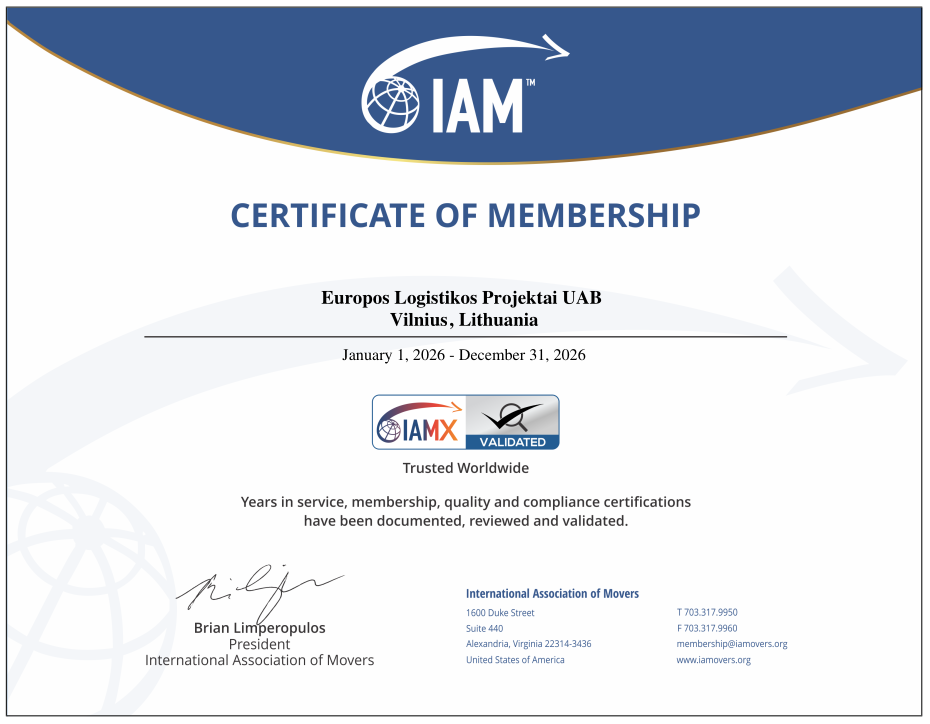
Our membership in international moving organizations guarantees the highest standards of service and reliability. We work with a global network of partners to ensure the smooth and safe transportation of your belongings in any direction.



Our prices depend only on the volume of your belongings.
Forget about hourly rates, mileage calculations and unexpected bills! We have already calculated prices for different quantities of belongings and provide them to you in advance. You will not have to worry about how many movers, cars or how long the move will take – just choose the right service package according to the volume of your belongings and get a clear and fair price.