

Planning to move abroad?
We will arrange a comfortable and safe move for you to a new place with transportation of all your personal belongings

How to Pack Your Belongings for a Move
At ELP MOVING, we know that a well-organized packing strategy saves you time and energy both during and after your relocation. Below, we’ll share best practices for safely packing items, keeping track of what’s where, and streamlining your unpacking process once you arrive at your new home.
1. What Packaging Materials You’ll Need
Moving Boxes
- Where to find them. You can often source boxes free of charge from local stores, which receive daily shipments of goods. For example:
- Grocery stores may have sturdy boxes left over from canned goods.
- Hardware or home-improvement stores often have rigid boxes meant to hold heavy items like cleaning supplies or small appliances.
- Electronics or appliance stores frequently have leftover boxes that are designed to support heavier contents.
- When free boxes aren’t available. Many people buy new or used boxes from home-improvement retailers or online marketplaces. Some movers (including us) also provide high-quality boxes on request.
- Quality and size considerations.
- Check the sturdiness of the box. A strong, rigid box can handle heavier loads and be stacked without crushing its contents.
- For breakable or extra-heavy items (books, dishware), choose smaller boxes (around 40 liters or less). This prevents overpacking and makes them easier to lift.
- Medium boxes (up to about 70 liters) work well for clothing or bulkier items.
- Large boxes (90–160 liters) can be used for light, voluminous items like bedding or pillows.
- Wardrobe boxes (tall boxes with a metal rod) allow you to hang clothes directly inside—handy if you need temporary closet space or want to keep garments wrinkle-free.

Heavy-Duty Bags or Sacks
- Woven or polypropylene sacks. Durable and great for heavier, oddly shaped items. They can often be dragged across the floor without tearing.
- Construction-grade trash bags. Typically sold in rolls (e.g., 10 bags of 120 liters each). These are thicker and more tear-resistant than standard kitchen bags.
- Tips for using bags or sacks.
- Avoid putting sharp-edged items (like frames or books with pointed corners) directly into bags, as they can cause rips.
- Make sure to tie or seal them securely to keep contents clean and dust-free during transit.
Vacuum Storage Bags
- These are especially useful for bulky, soft goods like winter jackets, blankets, or pillows. Using a vacuum or pump, you can remove excess air and drastically reduce the volume of these items.
- They are available in various sizes; choose the right one depending on whether you’re packing smaller items (like sweaters) or larger ones (like duvets).
- Bonus: Vacuum storage bags can be reused later for seasonal clothing storage.
Protective Corners and Wrappings
- Protective corners. Sold in cardboard, silicone, or foam varieties, they shield furniture and appliances from bumps and scrapes. They also add structural support.
- Other wrapping essentials.
- Bubble wrap (air-bubble film). Ideal for fragile items—glass, ceramics, electronics, etc.
- Stretch (cling) wrap or plastic film. Helps hold protective materials in place and prevents dust or dirt from settling on furniture.
- Corrugated cardboard sheets. Great for reinforcing or “boxing in” items like mirrors or small appliances.
Other Supplies
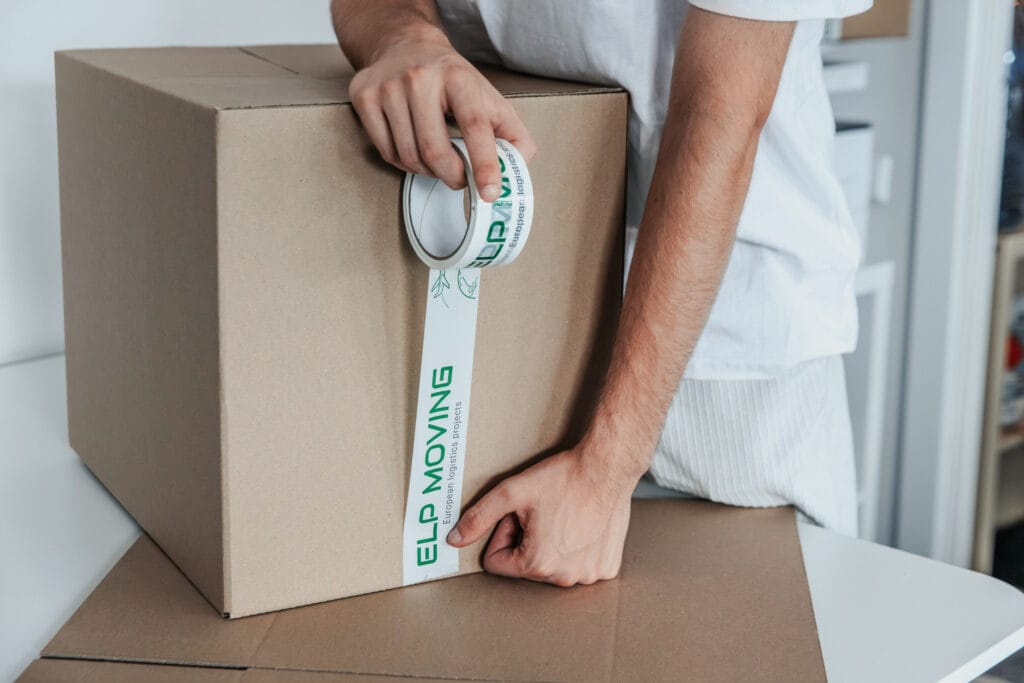
- Packing tape or duct tape. Seal boxes securely and attach bubble wrap or cardboard.
- Twine or string. Useful for quick bundling of items like poles, rods, or cables.
- Markers, colored labels, or stickers. Essential for labeling boxes with contents or destination rooms.
2. How to Pack so You Can Quickly Find Items After You Move
Group by Category or by Room
Try to keep kitchenware, linens, clothing, and décor in separate boxes. Alternatively, pack based on the room they belong in: living room, bedroom, bathroom, etc. Having all similar items together saves you from rummaging through multiple boxes later.
Label Everything Clearly
- Color-coding. Assign each room a color (e.g., blue for the bathroom, green for the kitchen), and use colored stickers or markers on three sides of each box.
- Short text labels. Jot down a few words indicating the contents, like “Dishes—Fragile” or “Bedding—Master Bedroom.”
- Numbering system. Give each box or bag a number and keep a master inventory list with a detailed description of the contents. This is also a good way to keep track of everything if you are concerned about loss or mix-ups during the move.
Packing Clothes by Season and Group
Separating clothes by season (winter vs. summer) or by type (work clothes vs. casual, daily wear vs. formal) makes it much easier to put them away in your new home. If possible, transfer clothes on hangers directly into garment boxes; they’re easier to relocate straight into closets.
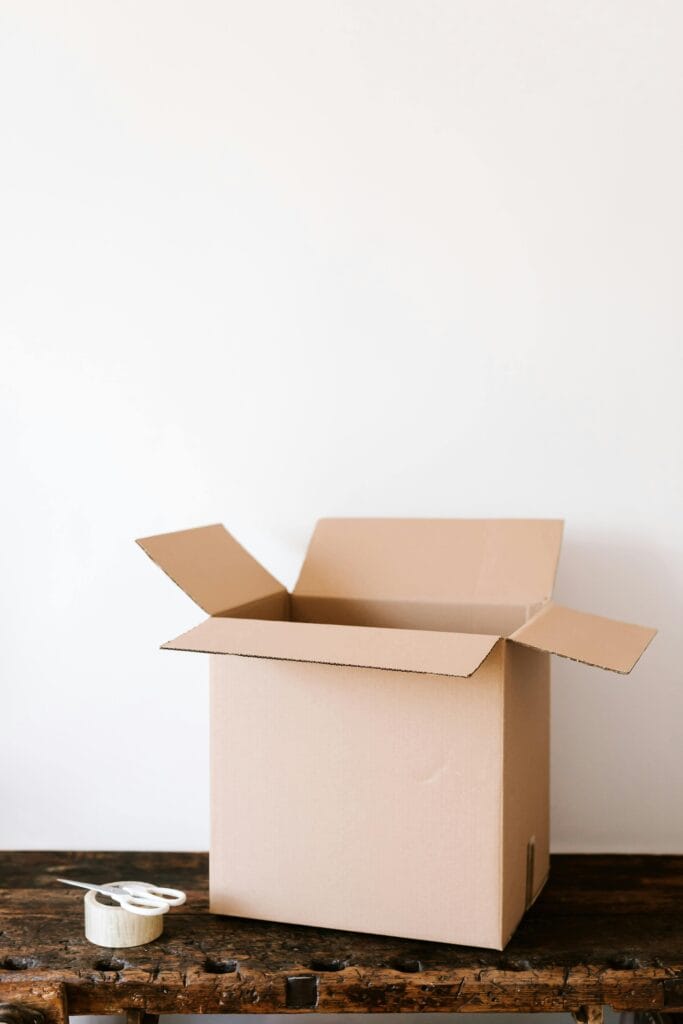
Protect Fragile Items
- Line boxes with bubble wrap or old towels. Fill empty spaces so items don’t shift and break.
- Wrap each piece. Wrap glasses, bowls, and plates individually or stack them with protective layers of paper or cardboard in between.
- Books. Pack them in smaller boxes so they’re not too heavy. Resist adding extra items (especially liquids) into boxes full of books.
Wrap and Secure Electronics & Furniture
- Small electronics. If you still have the original packaging (like for a TV or computer monitor), that’s ideal. If not, use bubble wrap and sturdy boxes.
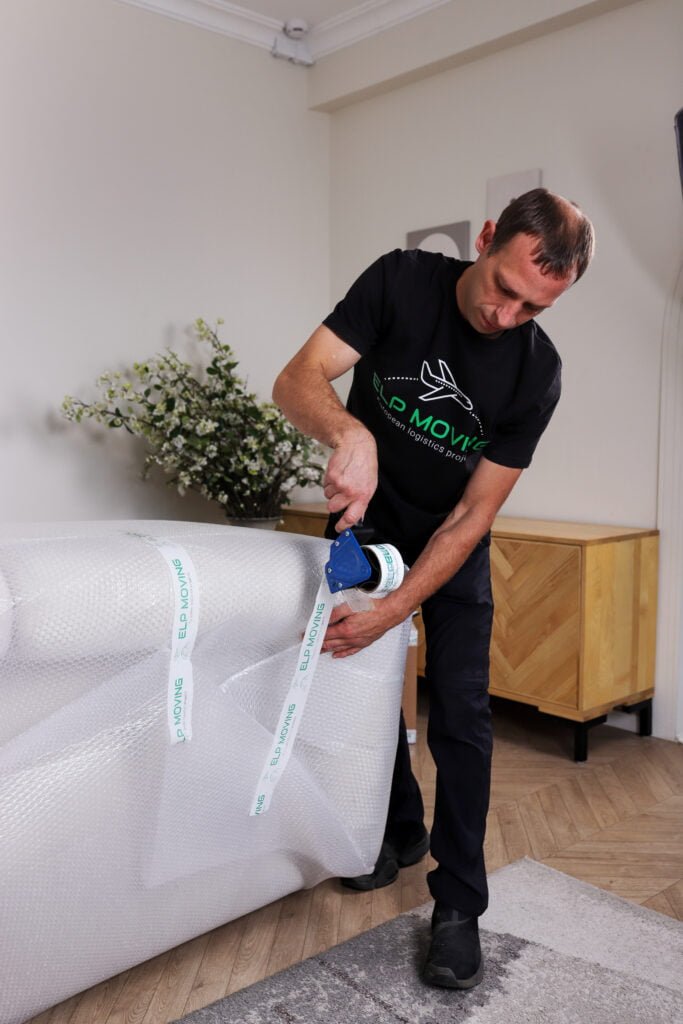
- Large appliances and furniture. Create a “cocoon”:
- Bubble wrap layer
- Corrugated cardboard layer
- Final layer of stretch wrap
- This protects against scratches, dents, and dust.
- Furniture hardware. Remove or secure any drawers and tape screws or small parts into a clearly labeled bag, attaching it directly to the furniture. This makes reassembly much easier.
Seal Liquids to Avoid Spills
Wrap bottle necks in plastic wrap (or a small piece of cling film) and then tighten the cap. This works well for shampoos, cooking oils, sauces—anything that could leak in transit.
3. Preparing a “First-Day Essentials” Kit
We always recommend setting aside the items you’ll need right away, such as:
- A change of clothes, toothbrushes, basic toiletries
- Medicines you take regularly
- Basic kitchenware: a pot, pan, plates, cups, and cutlery for the first meals
- Towels, toilet paper, phone chargers
- Pet essentials if you’re moving with animals (food, bowls, litter box, leash, etc.)
Pack these in a separate box or suitcase labeled “Open First.” Keep it easily accessible so you’re not hunting through all your boxes to find a can opener or phone charger on the first night in your new home.
4. Unpacking at Your New Home
- Stage boxes in the correct rooms. As you (or your movers) carry the boxes in, direct them to the appropriate space right away using your color-code or labels.
- Start with the immediate necessities. Unpack the “First-Day Essentials” kit right away, then move on to the kitchen and bedrooms—where you’ll likely need items first.
- Designate a holding area. If you aren’t unpacking everything immediately, store unopened boxes in a spot where they won’t block your daily routine—like an unused corner, a spare room, or a storage closet.
ELP MOVING’s Extra Tips
- Declutter Before You Move
Moving is the perfect time to sort through old or unneeded items. Donate what’s still usable and discard anything that’s broken. You’ll save on packing materials and unpacking will be easier. - Consider Professional Packing Services
If you’re short on time or worried about fragile/valuable items, ELP MOVING offers professional packers and specialized supplies. We’ll ensure each item is properly secured and labeled. - Don’t Forget to Measure
If you have large furniture or appliances, measure doorways, hallways, and staircases—both in your old place and the new one—to confirm they fit. Disassembling larger pieces in advance can save headaches on moving day. - Keep Important Documents Safe
Passports, birth certificates, financial records—keep these with you in a clearly marked folder rather than packing them in the moving truck.
Final Checklist for a Smooth Packing Experience
- Boxes, bags, protective materials: Sourced, checked, and ready.
- Labeling system: Determined how you’ll mark each box/bag.
- Fragile items: Wrapped individually and placed in sturdy boxes.
- Essential kit: Packed separately and easily accessible.
- Furniture/electronics: Disassembled (if needed), taped up, or protected with bubble wrap and cardboard.
- Schedule: If you’re using movers, confirm arrival times and any extra packing services in advance.
At ELP MOVING, our mission is to make your relocation as stress-free as possible. By following these packing guidelines—choosing the right materials, organizing systematically, and labeling diligently—you’ll save yourself considerable time and hassle when you arrive in your new home.
Need more help? We offer a full range of services, from supplying packing materials to providing professional packers and unpackers. Feel free to reach out to us for advice or to schedule your move. We’re here to help you settle into your new place safely and comfortably!
Why choose us?
Local and international reliability
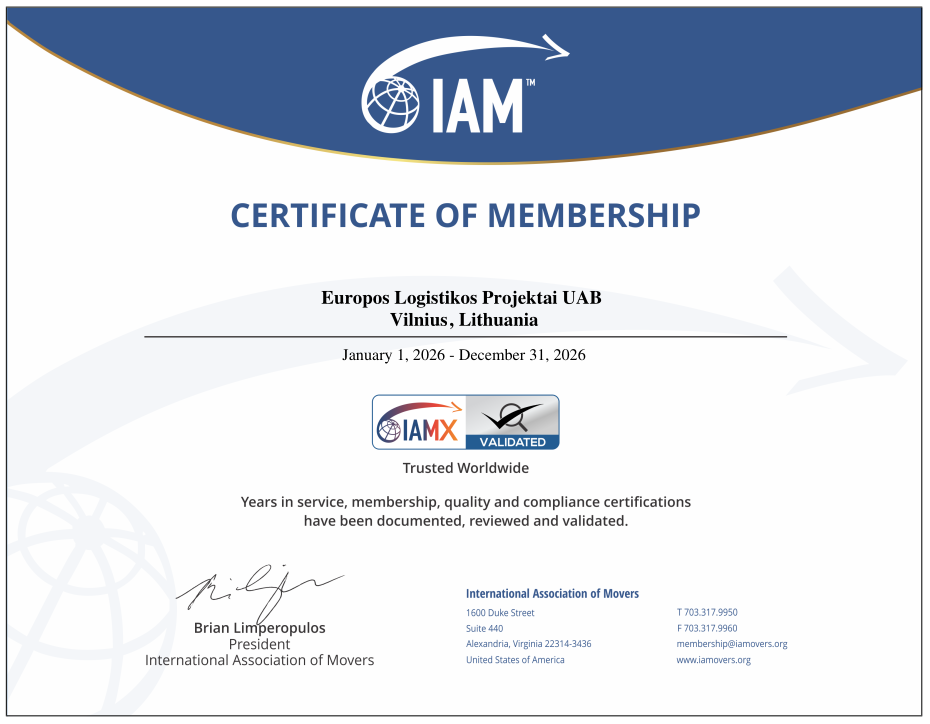
Our membership in international moving organizations guarantees the highest standards of service and reliability. We work with a global network of partners to ensure the smooth and safe transportation of your belongings in any direction.


Why choose us?
Working with us will ensure:
- Timely delivery of your belongings, so you can be sure that they’ll arrive when you need them.
- Expert handling of customs procedures, ensuring that your move is free from unexpected problems or delays.
- No wasted time, as we work efficiently to make sure that your move is completed as quickly as possible.
- No unnecessary financial losses, thanks to our competitive pricing and careful management of your move.
Our prices depend only on the volume of your belongings.
Forget about hourly rates, mileage calculations and unexpected bills! We have already calculated prices for different quantities of belongings and provide them to you in advance. You will not have to worry about how many movers, cars or how long the move will take – just choose the right service package according to the volume of your belongings and get a clear and fair price.
Get a Moving Quote
Where are you moving?
What our customers say about moving with us
Real feedback from international and European moves handled by ELP MOVING.
Frequently asked questions
Planning a move can raise a lot of questions. Below you will find clear answers about packing, documents, customs, insurance, pricing, and international removals. If you need advice for your specific move, please get a quote or contact us.